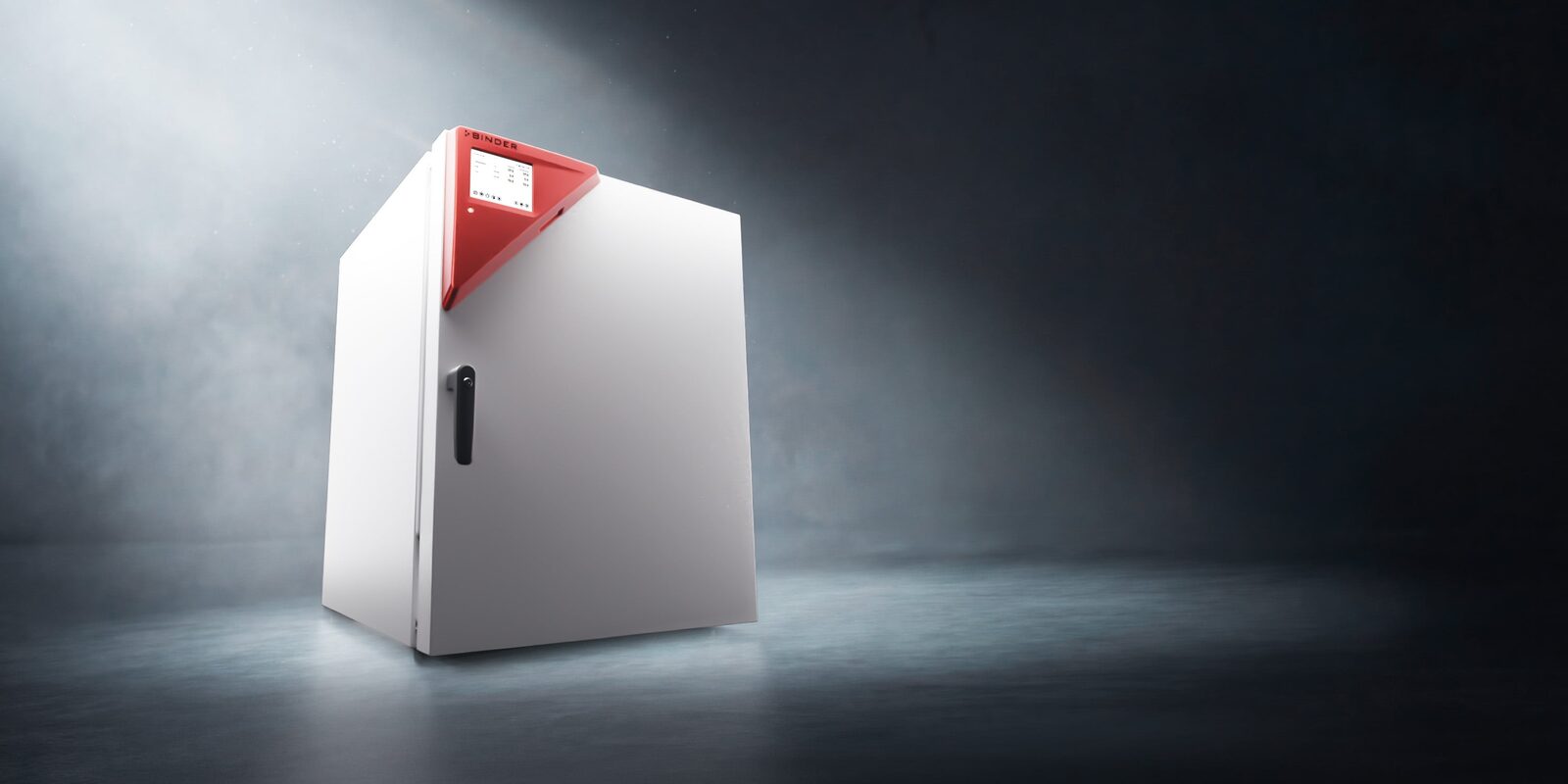
BINDER CO₂ incubators provide reliable conditions for cell culture, IVF and research. With precise temperature and CO₂ control, high humidity and patented hot-air sterilization, they create a safe and reproducible environment – in use worldwide in laboratories, clinics and research institutions.
Benefits at a glance
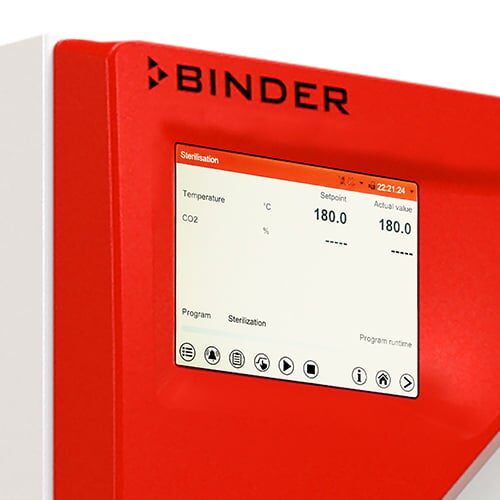
Minimal risk of contamination
Minimal risk of contamination: 180 °C hot-air sterilization of the interior reliably reduces contamination
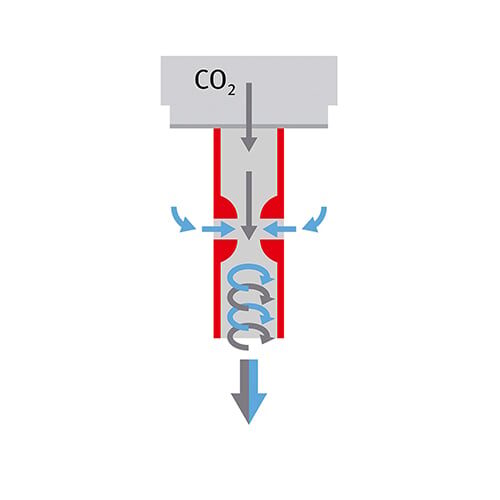
Optimal cell growth
Optimal cell growth: stable pH value thanks to drift-free CO₂ sensor technology and homogeneous CO₂ distribution via a Venturi-principle gas mixing head
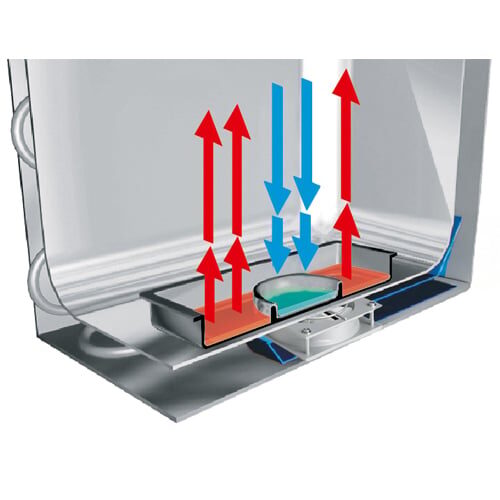
No drying out of samples
No drying out of samples: Permadry™ – condensation-free system with double-walled water pans, delivering high humidity while keeping the inner walls dry
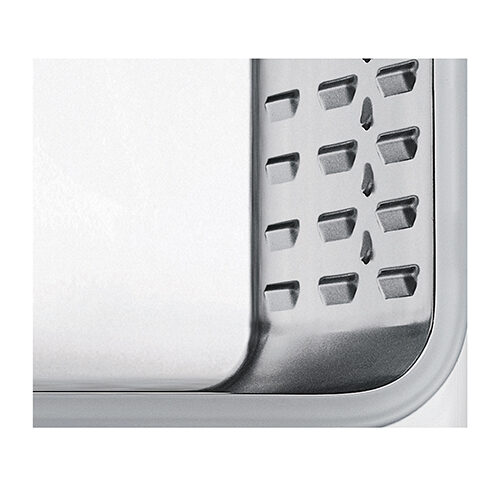
Cleaning without effort or cost
Cleaning without effort or cost: seamless stainless steel inner chamber without built-in parts, easy to clean, no consumables required
CO₂ incubators: the right model for your application
BINDER CO₂ incubators are available in various sizes and equipment versions. What matters when choosing is the demands your processes place on temperature stability, humidity management and CO₂ control. A CO₂ incubator must reliably protect cell cultures against contamination, keep the CO₂ concentration inside constant and ensure precise, reproducible cultivation conditions.
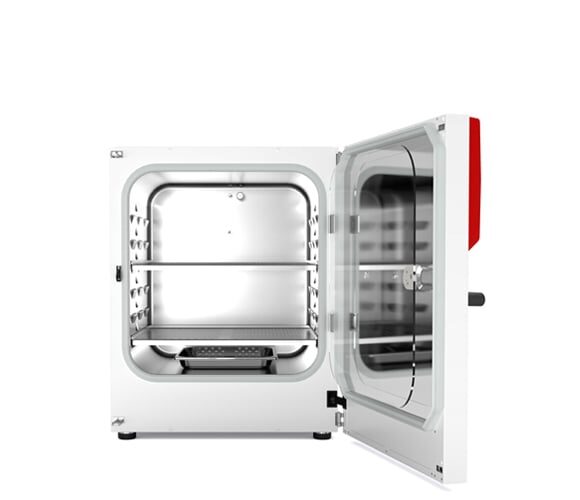
The solid one with hot-air sterilization CB-S series
The solid one with hot-air sterilization CB-S series
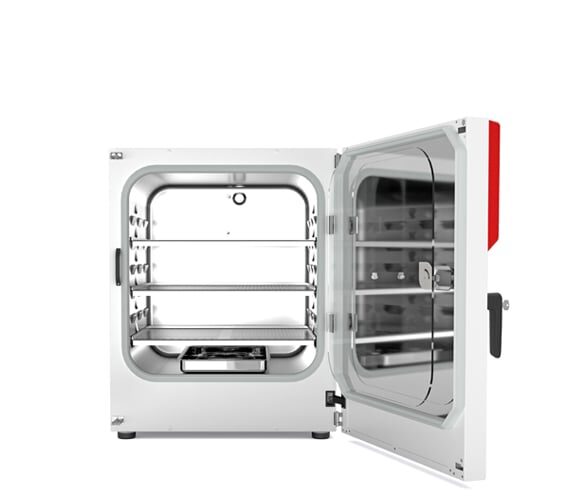
The all-rounder with hot-air sterilization and heat-sterilizable CO
The all-rounder with hot-air sterilization and heat-sterilizable CO2 sensor CB series
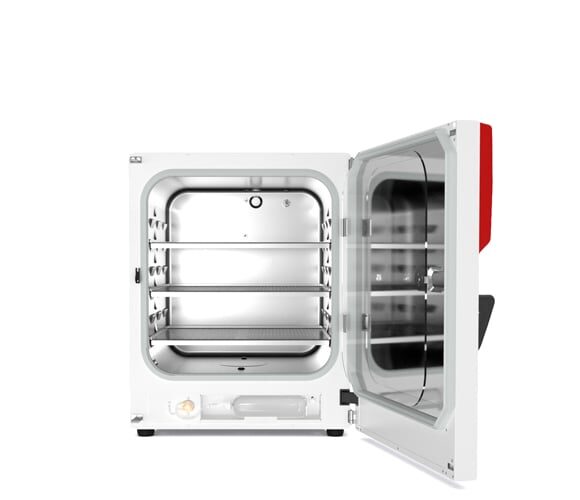
Best in class with hot-air sterilization and humidity control Series
Best in class with hot-air sterilization and humidity control CBF series
| CB-S | CB | CBF | |
|---|---|---|---|
| Größen: CB-S 170, CB-S 260 für Standard Zellkultivierung, Zell-Produktion und akademische Accounts |
Größen: CB 56, CB 170, CB 260 für zellbasierte Assays, Wirkstoffforschung und medizinische Forschung |
Größen: CBF 170, CBF 260 für GMP Umgebung, Stammzellforschung sowie Zell- und Gentherapie |
|
| 180° Sterilisation | |||
| Lüfterloses Design | |||
| Einschubsicken | |||
| Nahtloser Innenkessel mit abgerundeten Ecken | |||
| Feuchteregelung mit Wasserschale | |||
| Schnelle Feuchteregelung mit Permadry System | |||
| Feuchteanzeige in RH % | |||
| Schnellste, präzise Feuchteregelung durch aktive Befeuchtung mit Sterildampf | |||
| Elektronisches Sicherheits- und Überwachungssystem CO2 Fail Safe | |||
| Touchscreen Controller | |||
| DuoDoor Türverschluss | |||
| Hitzesterilisierbarer CO2-Sensor | |||
| Optionale O2 Regelung | |||
| Steriles Befeuchtungswasser als Zubehör |
Video: how BINDER CO₂ incubators make everyday lab work easier
Our video shows how stable and hygienic cell culture conditions can be achieved reliably in everyday lab work. We show you how BINDER CO₂ incubators combine contamination protection, easy cleaning and user-friendly operation in one well-thought-out solution. See how our units support routine cell culture processes and make daily lab work noticeably simpler.
BINDER service solutions
With BINDER service solutions you get the most out of your units: reliable, fast and personal. Whether maintenance, calibration or support – we make sure your processes run smoothly and your units are always ready for use. The extra bonus for your success!
-
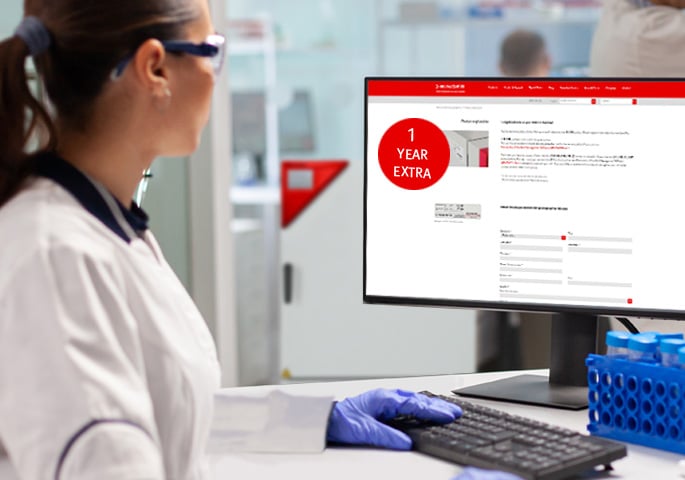
Product registration
-

Installation
-
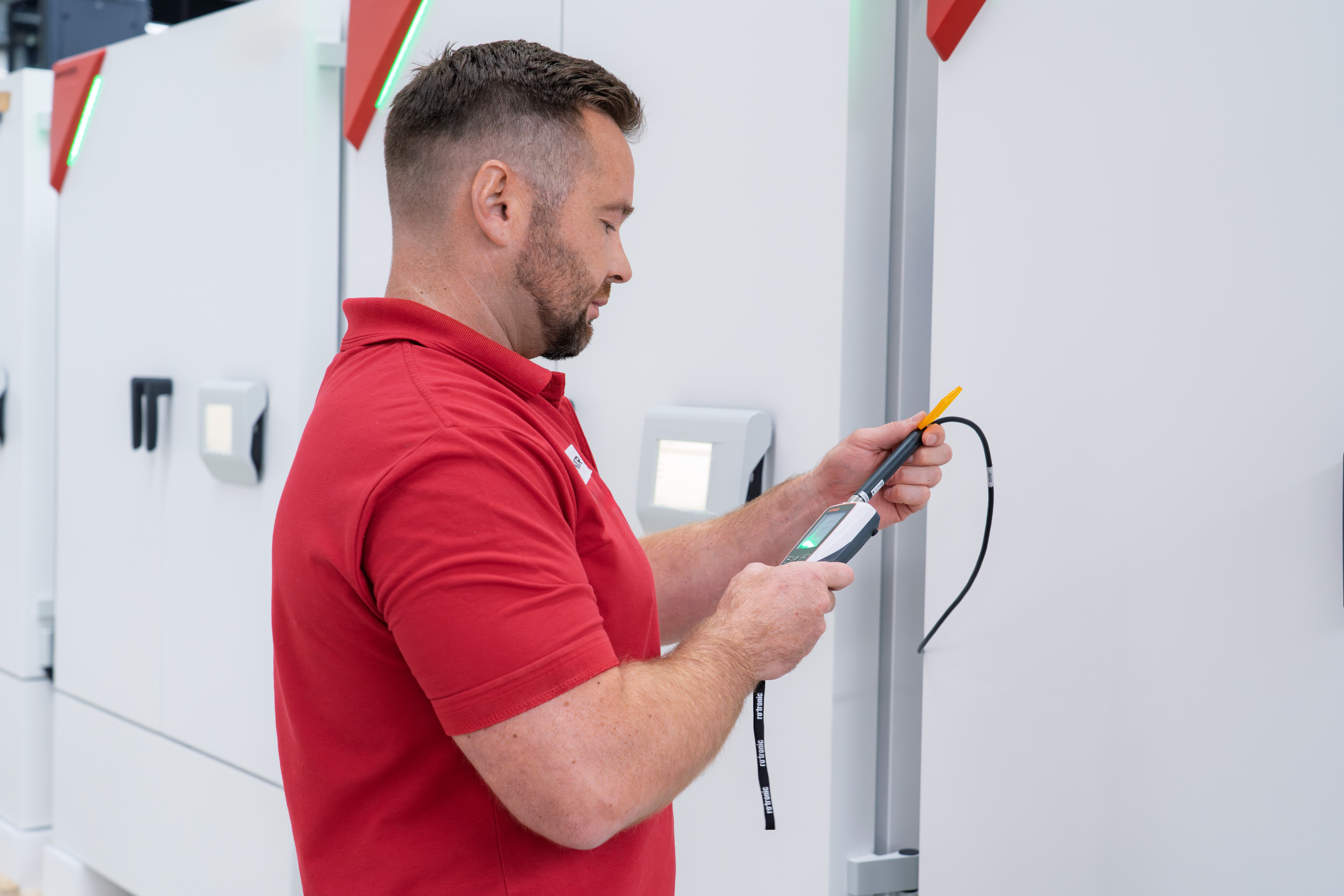
Maintenance
-
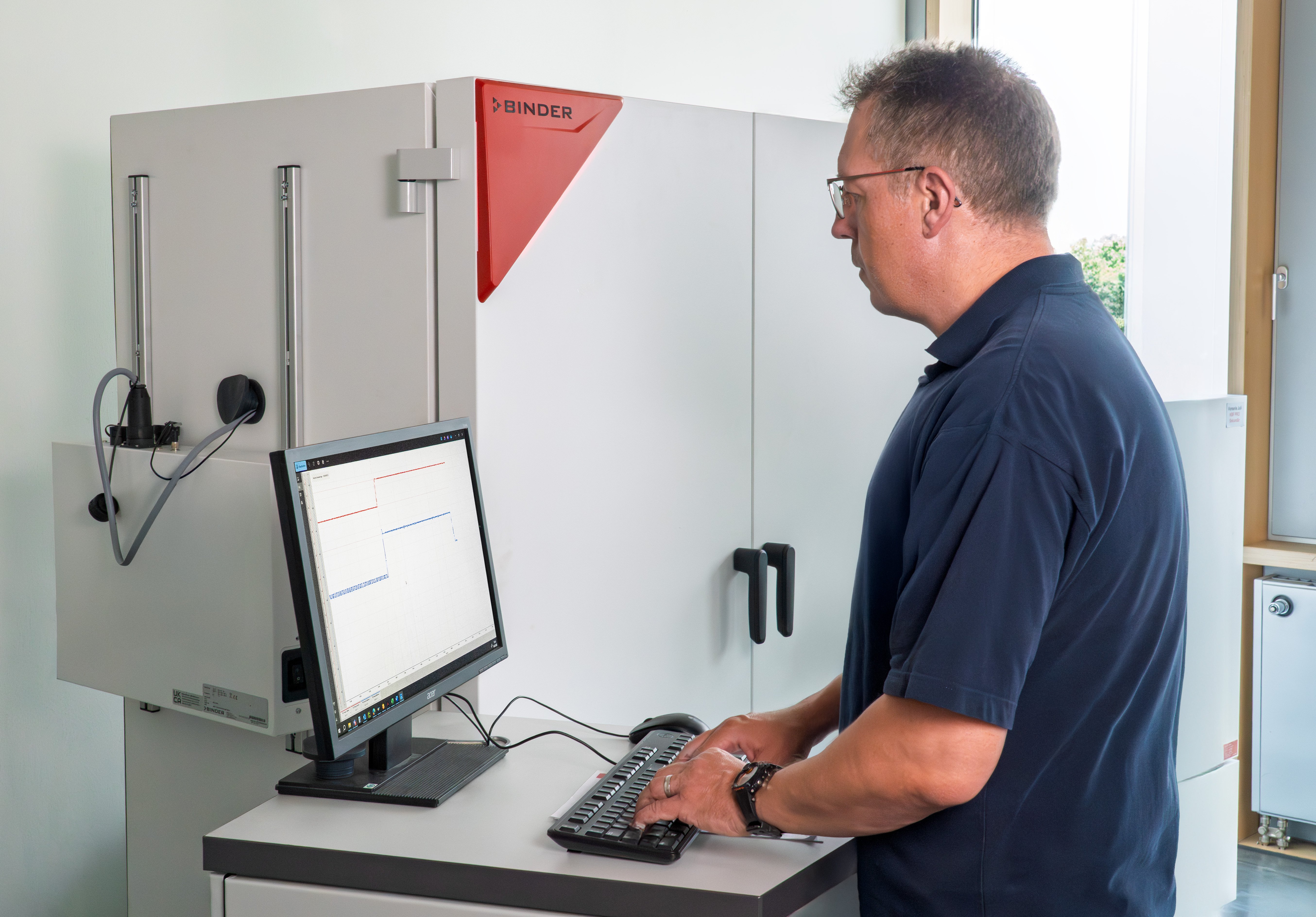
Calibration
-

Qualification
-
Request spare parts
-

Questions about the product
Fields of application for CO₂ incubators
CO₂ incubators are frequently used in medical research and the pharmaceutical industry. But in other fields too, wherever cell growth has to take place under absolutely germ-free conditions, CO₂ incubators provide sterile cultivation conditions.
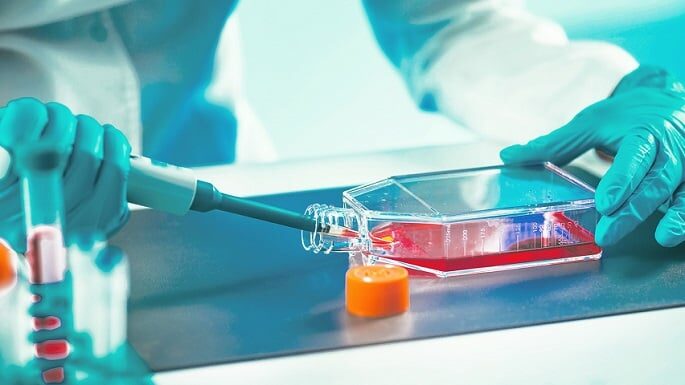
Tissue engineered products are biological medicinal products that contain or consist of biotechnologically processed cells or tissue. They are used to regenerate, restore or replace human tissue.
In tissue engineering, body cells are taken from a person so that they can grow into larger cell assemblies in the laboratory, in order to replace or regenerate diseased tissue in a patient – for example skin, cartilage or bone.
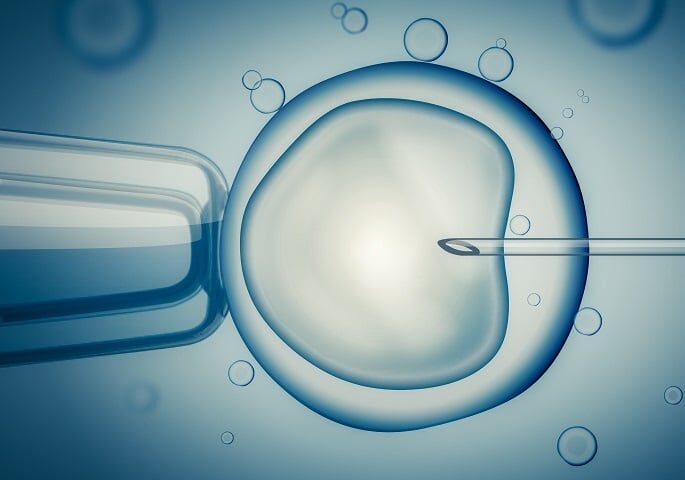
In vitro fertilization (IVF) describes a method of artificial fertilization in human reproductive medicine. The aim of this application is to fuse an egg cell and a sperm cell in a Petri dish with cell culture medium.
Fertilization and development of human embryos begin in a CO₂ incubator. After two to three days the embryos can be transferred back into the uterus. Optimal values in the chamber are around 37 °C, 5 or 6 vol.% CO₂ and humidity levels of around 95%.
To avoid any mix-ups, staff label the Petri dishes precisely. The inner glass doors of CO₂ incubators additionally allow the Petri dishes to be monitored continuously. In veterinary medicine, for example with cattle, the process is similar. The oocytes are brought together with sperm in a Petri dish. The incubation time is 21 hours, during which the sperm fertilize the oocytes. On the 8th day after fertilization the embryos are transferred from the CO₂ incubator to the recipient animals.
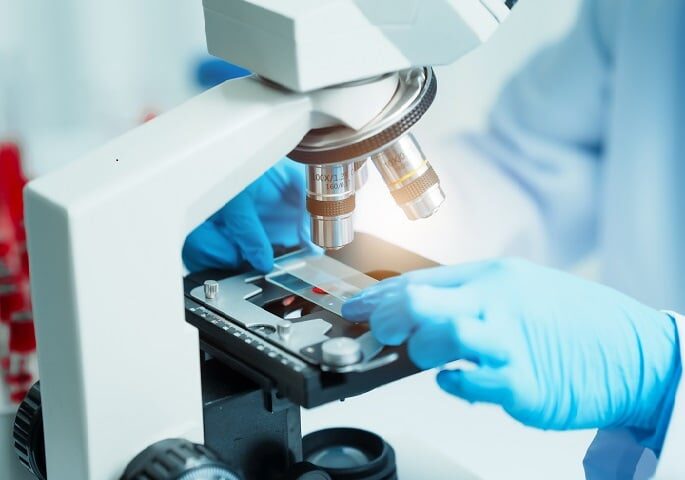
The examination of cell cultures plays an important role in the diagnostic analysis of pathogens. The results allow precise hygiene evidence to be formulated and the resistance of viruses to biopharmaceuticals to be assessed. One frequently used method in this context is the swab test, in which virus-susceptible cell cultures are confronted with viruses and thus checked for their biological function. For the various process steps – thawing and subculturing the cells, infecting the cell lines and staining the cell cultures – CO₂ incubators are the right tool. For this application the chamber usually holds 37 °C and 5 vol.% CO₂.
The samples are evaluated after 72 hours at the latest. Staining the cell monolayer blue makes it possible to characterize the plaques further with the naked eye or under the microscope. BINDER CO₂ incubators are particularly well suited to diagnostic determinations and virus detection because they maintain especially stable incubation conditions. The inner glass doors for segmented access contribute to this as well. In addition, the risks of cross-contamination and the silent carry-over of contamination are always reliably prevented by the automatic 180 °C hot-air sterilization.
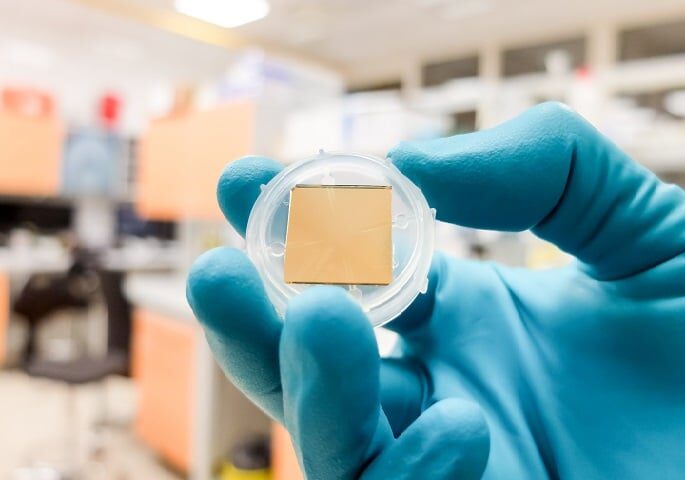
Biosensors are sensing devices consisting of a biological recognition element and a physical sensor (transducer) in direct contact with each other. The biological component can be an enzyme, an antibody, DNA, receptors, but also whole cells and tissue sections. After the substance to be tested interacts with the biological component, a biological-chemical signal is produced first, which the transducer converts into an electrical or optical signal. Biosensors are usually classified according to the underlying physical measuring principle. There are therefore electrochemical sensors, optical sensors and whole-cell biosensors. Biosensors are used in medicine, in food quality control and in environmental analysis, for example. One of the best-known examples are enzyme sensors for measuring glucose.
An impressive example: cardiomyocytes from embryonic chickens were re-aggregated into spheroids (3D architecture) in rotation culture and coupled to microelectrodes. Reference substances were used to test to what extent conclusions about the stimulus on a living system are possible. The spheroids were produced in CO₂ incubators in Petri dishes at 37 °C, 5 vol.% CO₂, 72 rpm and a 20 mm orbit.
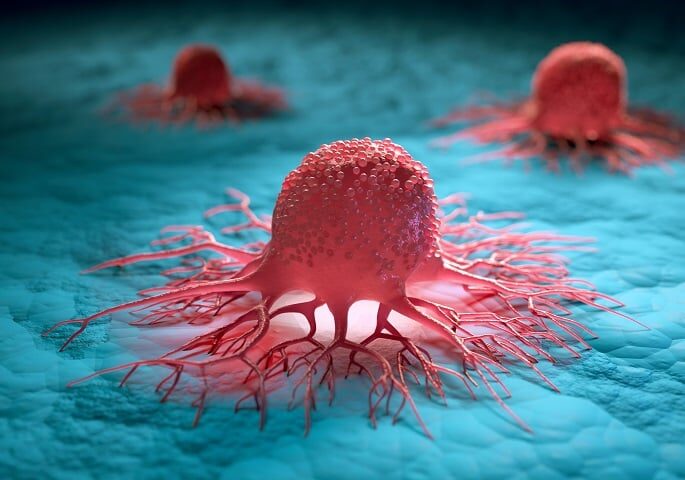
CO₂ incubators play an important role in preparing samples and experiments across all areas of cancer research – for example in drug discovery, in the development of 3D invasion assays and biosensors – from the simple monolayer through to reproducing patient tumours with 3D cell culture models (drug research and therapy development).
Depending on the cell cultures, immunology and tumour biology (how malignancies arise) use both CO₂ incubators at 37 °C, 5 vol.% CO₂ and 95% r.h. under normoxic culture conditions and CO₂/O₂ incubators at 37 °C, 5 vol.% CO₂ and hypoxic 1 vol.% O₂.
In clinical research, for example in work with oncogenes and tumour suppressors, CO₂ incubators are used at 37 °C and 5 vol.% CO₂ under normoxic conditions.
Downloads
Helpful documents on contamination prevention and useful background on working with CO₂ incubators, available to download.
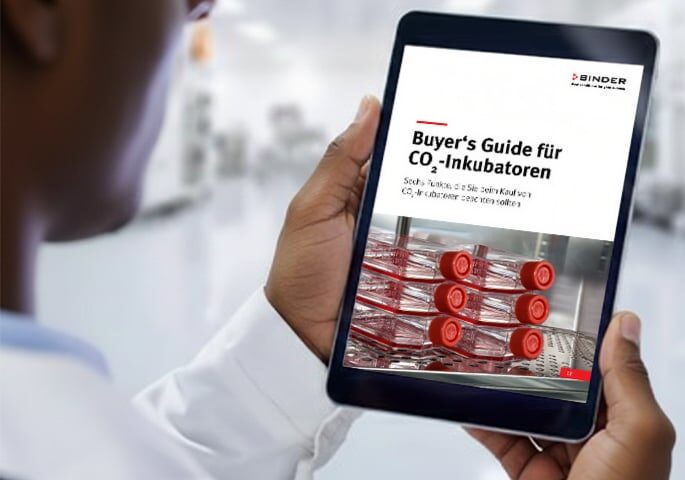
Buyer's guide “6 points to consider when buying CO₂ incubators”
Buyer's guide “6 points to consider when buying CO₂ incubators”
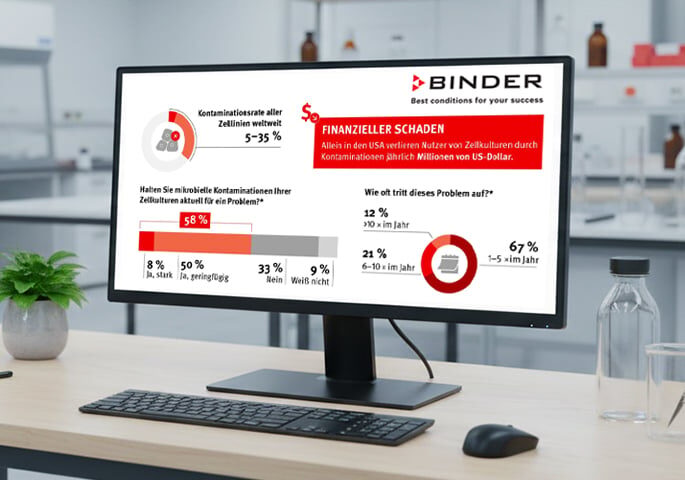

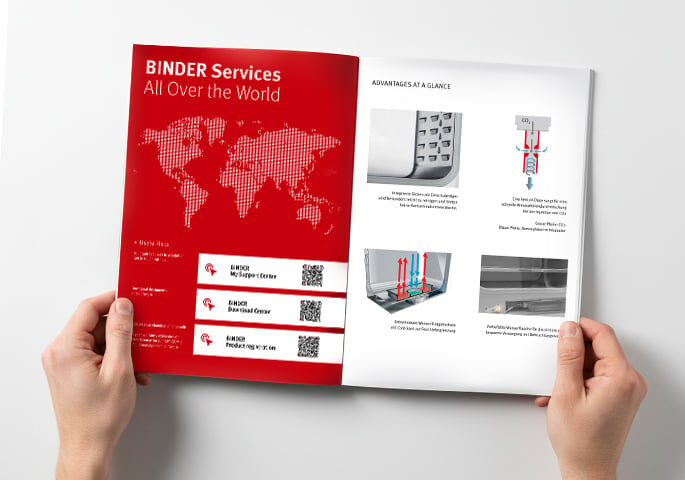
Knowledge in brief: CO₂ incubator basics
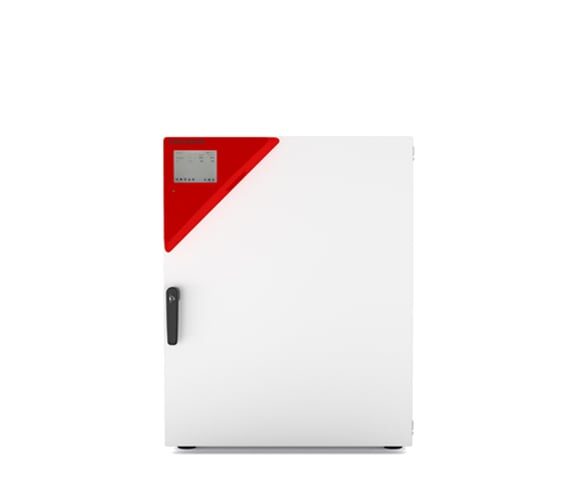
A CO₂ incubator is a gassed incubator used for in vitro cell cultivation. Cell culture is the growing and propagation of living cells outside an organism under controlled conditions. Cell cultures often form the basis of clinical and biotechnological research. In a CO₂ incubator, cell growth is made possible by an atmosphere that is as close to nature as possible. Temperature, humidity and CO₂ content must match the requirements of the cell cultures exactly.
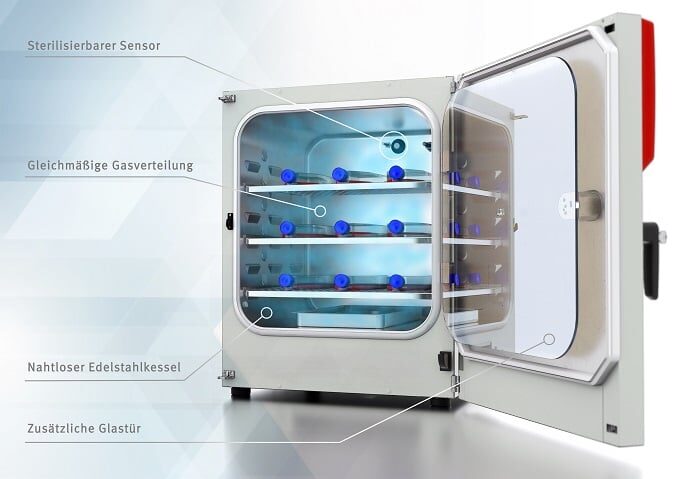
A CO₂ incubator has an interior that is completely sealed off from its surroundings in order to create a defined atmosphere inside the unit. So that the samples can be viewed during the growth phase, most CO₂ incubators have a glass door in addition to the regular door, which also protects against contamination.
The interior is made of rust-free materials such as stainless steel and should have as few sharp edges and slots as possible in order to avoid hiding places for contamination. Especially in the sensitive field of cell cultivation, a single germ can destroy weeks of work.
The incoming CO₂ gas passes through a sterile filter and must be distributed evenly throughout the interior, since the samples are usually positioned on shelves at different heights. The challenge is to ensure homogeneity throughout the chamber, so that all samples are guaranteed an even CO₂ concentration at constant temperature and humidity conditions.
Various guidelines govern the use of CO₂ incubators. In the pharmaceutical industry the requirements of Good Laboratory Practice (GLP) and Good Manufacturing Practice (GMP) are described in 21 CFR Part 11 and govern the handling of measuring devices, which should be calibrated and tested at defined intervals. A data logger must record all test parameters and pass them to the software and the storage medium, where they are processed and archived.
Everything worth knowing about GLP can be found in our white paper: “Good Laboratory Practice” – what is behind it?
From what point is a CO₂ incubator ready for use?
In total, a CO₂ incubator goes through three validation steps:
Installation qualification (IQ): in the first step the function of all components of the CO₂ incubator is tested.
Operational qualification (OQ): in this step the performance of the CO₂ incubator is tested with an empty chamber, to answer the question of whether a particular temperature range can be maintained and whether the data logger is calibrated correctly.
Performance qualification (PQ): now it is determined whether the incubator is also able to hold the temperature level when loaded.
When working with cell cultures, contamination is a widespread problem. Preventing it requires sterile working technique and careful handling of the cultures. Beyond that, the CO₂ incubator plays an important role, because it offers ideal growth conditions not only to cell cultures but also to many unwanted microbes. Accordingly, every high-quality CO₂ incubator offers several features for preventing contamination. The decision for a CO₂ incubator cannot, however, be made on the basis of the sum of technical details alone. Rather, the complete systems and in particular the anti-contamination concepts have to be compared and assessed against each other. What emerges is that complex systems are not inherently safer than simple ones. Reliable contamination prevention should be achievable with the unit quickly, easily and without high consumable costs.
Our infographic “Avoiding contamination in the laboratory” shows how you can improve your contamination management with CO₂ incubators.
For complex cultivation approaches or individual growth environments, for example under hypoxic conditions, CO₂ incubators with additional process control are needed. They contain the features required to excel even in sensitive incubation tasks.
More products for your laboratory